Qubic: What if Bitcoin Actually Had a Brain?

We’ve all heard the critique of Bitcoin: it’s a technological marvel, but it’s also a massive energy hog. To keep the network secure, thousands of supercomputers churn through meaningless math problems (hashes) 24/7. It works, but it feels like running a Ferrari just to listen to the radio—a lot of power for a very specific, narrow result.
Enter Qubic (QUBIC), a project that is trying to turn that "wasted" energy into the fuel for the next generation of Artificial Intelligence.
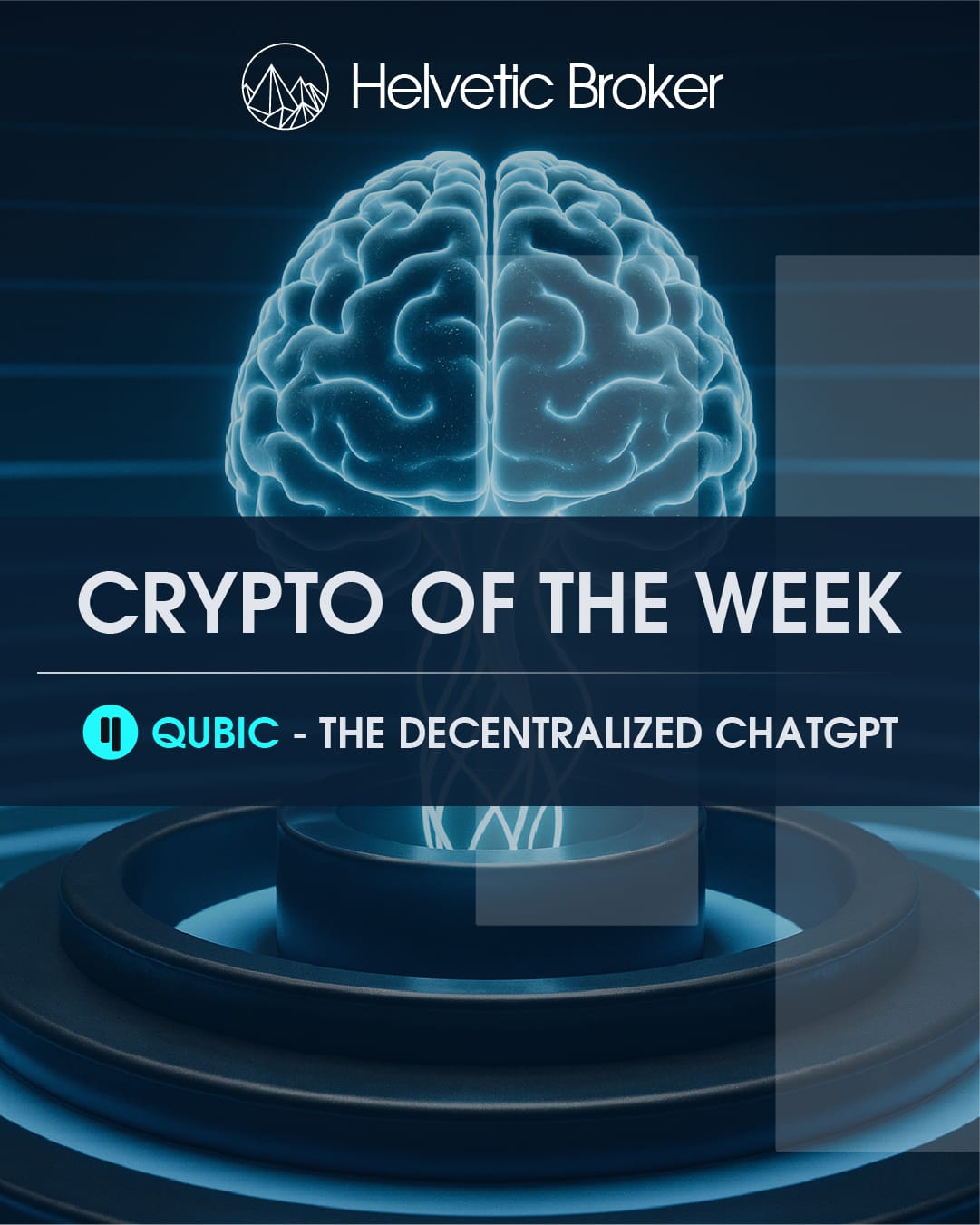
The Vision: The "Decentralized ChatGPT"
The core philosophy of Qubic is simple but ambitious: Why waste power on hashes when you could use it to think?
While traditional Proof-of-Work (PoW) blockchains use energy solely to secure the ledger, Qubic uses its computational weight to train AI models. They call this ecosystem Aigarth.
Qubic introduction video
In essence, Qubic miners aren't just "mining" tokens; they are participating in a massive, distributed neural network. It’s like mining Bitcoin, but instead of the end product being just a digital coin, the byproduct is a collective, decentralized intelligence—a "Decentralized ChatGPT" that isn't owned by a single corporation.
Turning Mining into Learning
In the current crypto landscape, mining power is basically a dead end for utility. Qubic flips the script:
- Bitcoin: Energy $\rightarrow$ Hash Calculation $\rightarrow$ Security.
- Qubic: Energy$\rightarrow$ AI Training (Aigarth)$\rightarrow$ Security + Intelligence.
By redirecting this "useful" work, Qubic aims to create a win-win scenario where the act of securing a financial network simultaneously advances the frontiers of AI for humanity.
The Architect: Who is CFB?
If the project sounds technically dense, it’s because it comes from one of the "old guards" of the space. Qubic is the brainchild of Sergey Ivancheglo, better known by his alias Come-from-Beyond (CFB).

If you’ve been in crypto for a while, that name carries weight. He was a pioneer behind NXT (one of the first pure PoS coins) and a co-founder of IOTA. He’s known for thinking years ahead of the curve, often focusing on "DAG" (Directed Acyclic Graph) structures rather than traditional blockchains to solve scalability.
The Stats vs. The Reality
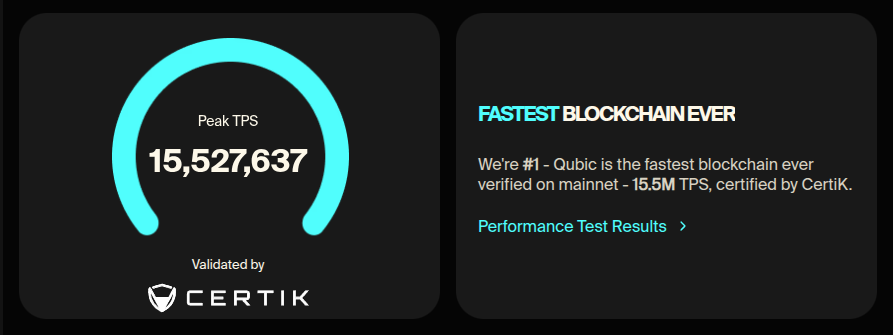
On paper, Qubic is a speed demon. It has reportedly clocked in at a staggering 15.52 million transactions per second (TPS). To put that in perspective, Visa handles about 24,000 TPS.
+1
However, as with many "bleeding-edge" projects, there is a catch:
- Complexity: The technical barrier to entry is high.
- Fuzzy Utility: While the AI training aspect is revolutionary, the actual day-to-day use cases for the average person are still a bit "in the clouds." We know it's fast and we know it's smart, but the "killer app" that brings it to the masses is still under construction.
The Bottom Line
Qubic is an experiment in efficiency. It challenges the idea that crypto must be a drain on global resources. Whether Aigarth becomes the next AI giant remains to be seen, but the attempt to give blockchain a "brain" is one of the most interesting pivots the industry has seen in years.